26 Non-Starchy Vegetables Approved for People with Diabetes


Key takeaways:
Vegetables are rich in fiber and beneficial nutrients that are good for overall health
There are two main classes of vegetables: starchy and non-starchy. Starchy vegetables are higher in carbohydrates and can impact blood sugar. Non-starchy vegetables are low in carbohydrates and have minimal impact on blood sugar.
For people who have diabetes, it’s best to stick with eating non-starchy vegetables over starchy vegetables.
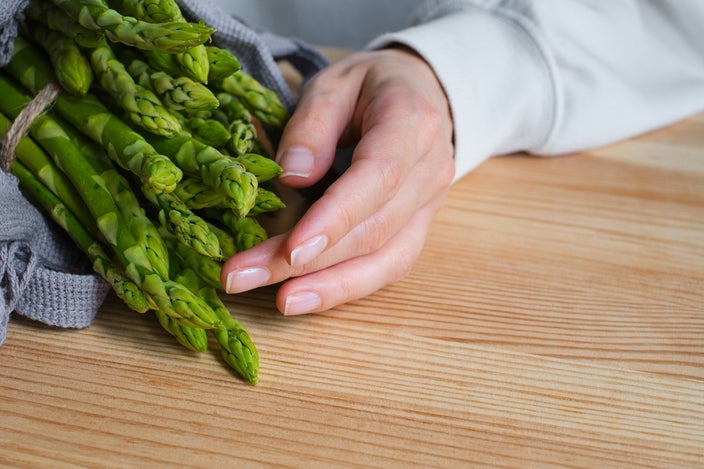
We’ve all been encouraged to “eat your vegetables,” and for a good reason! Vegetables are full of disease-fighting vitamins, minerals, fiber, and antioxidants. Studies show that eating vegetables can improve overall health. And certain vegetables, like leafy green vegetables, may even reduce the risk of Type 2 diabetes.
But what if you already have diabetes? Does it matter what kinds of vegetables you eat? It turns out, for people with diabetes, non-starchy vegetables are the way to go when it comes to maintaining healthy blood sugar levels.
What is a starch?
You may think of rice or potatoes as starches (and they do contain them). Starches are actually a type of carbohydrate that is made up of many sugar molecules. Certain starches, when digested and absorbed into the bloodstream, eventually turn into glucose (sugar) and can cause blood sugar to rise.
Refined starches can be found in white rice, flour, and pasta, and can cause blood sugar levels to rise faster than those in other non-processed starchy foods, like brown rice. Fiber is also a type of starch, but it isn’t digested and won’t increase your blood sugar. We will be referring to digestible starches when it comes to which vegetables are healthier for people with diabetes.
Why isn’t starch good for diabetes?
After your body breaks down carbohydrates into glucose, your pancreas releases insulin which lowers glucose levels in the blood and helps store glucose for later use. But if you have diabetes, your body is unable to produce or use insulin, and this can lead to high blood sugar levels (hyperglycemia) that can be dangerous. Over time, these high blood sugar levels can also increase your chance of stroke, heart attack, nerve damage, and more.
Why choose non-starchy vegetables?
Non-starchy vegetables are great for people with diabetes because they have a low glycemic index from high water and fiber content and little to no starch. This means they do not spike your blood sugar as much as a starchy vegetable or other foods with higher glycemic indices like ice cream or white rice.
What are some non-starchy vegetables?
When it comes to picking which veggies to add to your diabetic-friendly meals, the following non-starchy vegetables could be some of your go-to’s:
Arugula
Artichoke hearts
Asparagus
Brussel sprouts
Cabbage
Cauliflower
Celery
Cucumber
Eggplant
Hearts of palm
Jicama
Kohlrabi
Leeks
Mushrooms
Okra
Onions
Peppers
Radishes
Rutabaga
Spaghetti squash
Spinach
Sugar snap peas
Swiss chard
Tomatoes
Water chestnuts
Zucchini
The American Diabetes Association recommends eating 3 to 5 servings of vegetables per day for overall health. A single serving equals 1 cup of raw vegetables or ½ cup of cooked vegetables. If you have diabetes, a good rule of thumb is to fill up half your plate with non-starchy vegetables.
Which vegetables are high in starch?
If you want to know what veggies to limit, think— Thanksgiving sides. Here are some starchy vegetables to limit in your diet if you have diabetes:
Corn
Peas
White potatoes
These veggies should take up ¼ of the plate or less at mealtimes.
Tips for including more non-starchy vegetables in your diet
Here are a few ideas to increase non-starchy vegetables in the diet:
Make vegetables the focal point of the meal. Keep this simple formula in mind at mealtimes: ½ of the plate is non-starchy vegetables, ¼ of the plate protein, and ¼ of the plate starchy carbohydrate.
Make simple swaps. Try cauliflower rice instead of white rice. Experiment with mashed rutabaga instead of mashed potatoes. Substitute pasta for zucchini noodles or spaghetti squash.
Snack on more veggies. Keep washed and sliced peppers, cucumbers, broccoli, and cauliflower in the fridge for a grab-and-go snack. Dip in a tzatziki greek yogurt dip or guacamole.
Add more where you can. Start lunch and dinner with a leafy green salad. Add a handful of greens to a smoothie. Stir in cooked onions, peppers, and mushrooms to an egg scramble. Add steamed broccoli and arugula to a no-sugar-added pasta sauce.
Try different cooking strategies, herbs, and spices. Adding more veggies to your diet is easier when they taste good! Try experimenting with different cooking methods such as grilling, roasting, and sauteeing with your favorite herbs and spices. For example, garlic and brussels sprouts make a dream team, as does celery and almond butter.
Make sure to choose fresh or frozen vegetables without added sugars, fats, or salts.
The bottom line
When it comes to diabetes, it isn’t just about how much sugar you eat. Your veggies can also make a difference on your blood sugar. Non-starchy vegetables are a great addition to the diet because they contain vitamins and minerals. And they also contain water, fiber, and a low amount of carbohydrates per serving — this means that they will have a minimal impact on blood glucose. Choose fresh or frozen, unprocessed, non-starchy vegetables as often as possible.
References
American Diabetes Association. Non-starchy vegetables.
Boeing, H., et al. (2012). Critical review: vegetables and fruit in prevention of chronic diseases. European Journal of Nutrition.
Comments
Post a Comment